
 Phone: +1 2403149021
 Mail: kliu@jiechi.com
Phone: +1 2403149021Mail: kliu@jiechi.com


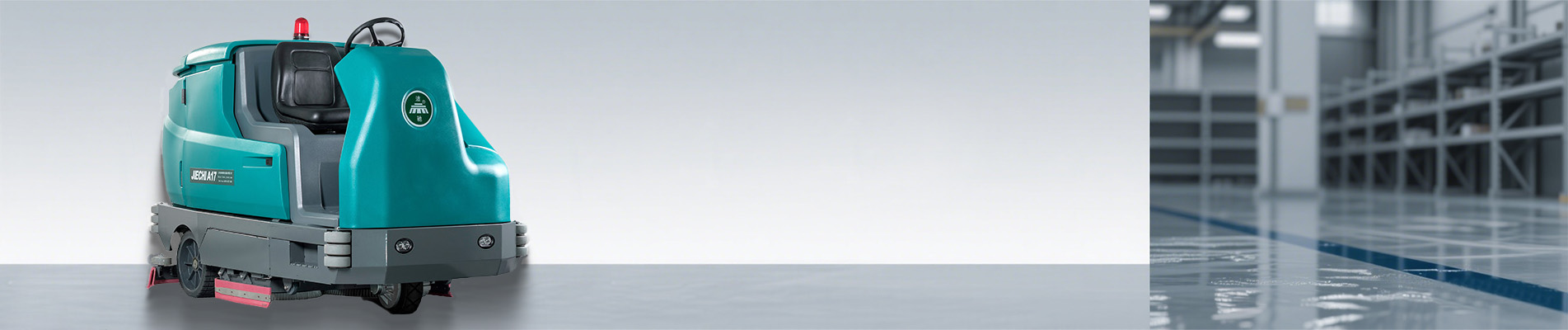
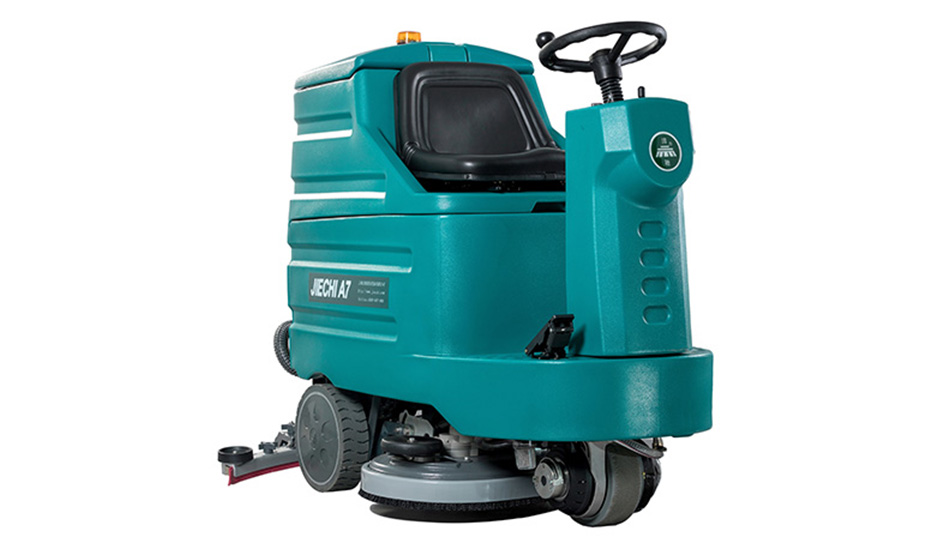
When facility managers evaluate floor cleaning equipment, one of the biggest decisions is whether to purchase standalone machines (a separate sweeper and scrubber) or invest in an all-in-one combination machine that sweeps and scrubs in a single pass. Each approach has its merits, and the right choice depends on your facility's size, floor conditions, debris types, and budget.
This article breaks down the key differences between standalone and combination machines, helping you determine which configuration delivers the best return on investment for your operation.
What Is a Standalone System?
A standalone cleaning system means using two separate machines: a floor sweeper for dry debris collection, followed by a floor scrubber for wet washing and drying. This traditional approach has been the industry standard for decades and remains a popular choice for many facilities.
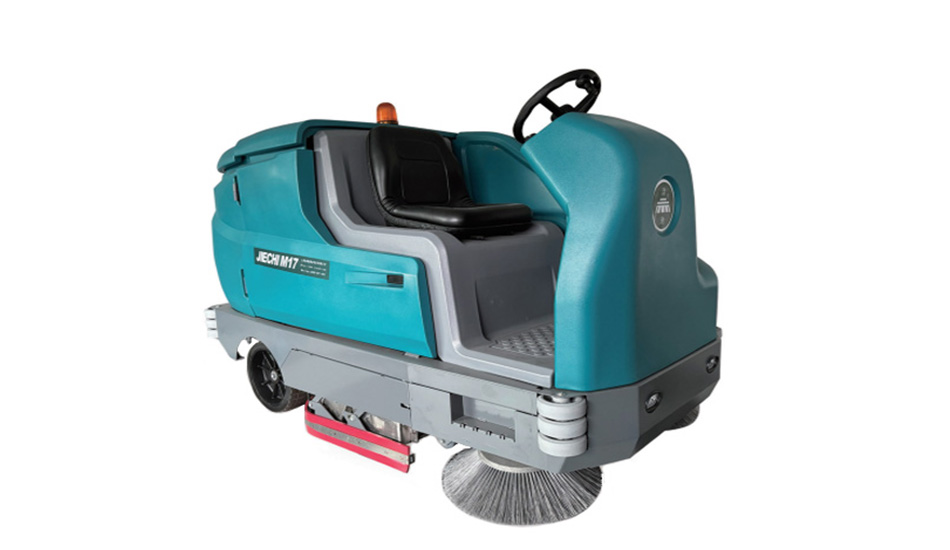
Pros of Standalone Machines:
Cons of Standalone Machines:
What Is a Combination Machine?
A combination sweeper-scrubber (also known as an all-in-one or 2-in-1 machine) performs both sweeping and scrubbing in a single pass. It features a front-mounted sweeping mechanism that collects dry debris into an integrated hopper, while the rear scrub deck simultaneously washes and dries the floor — all in one operation.
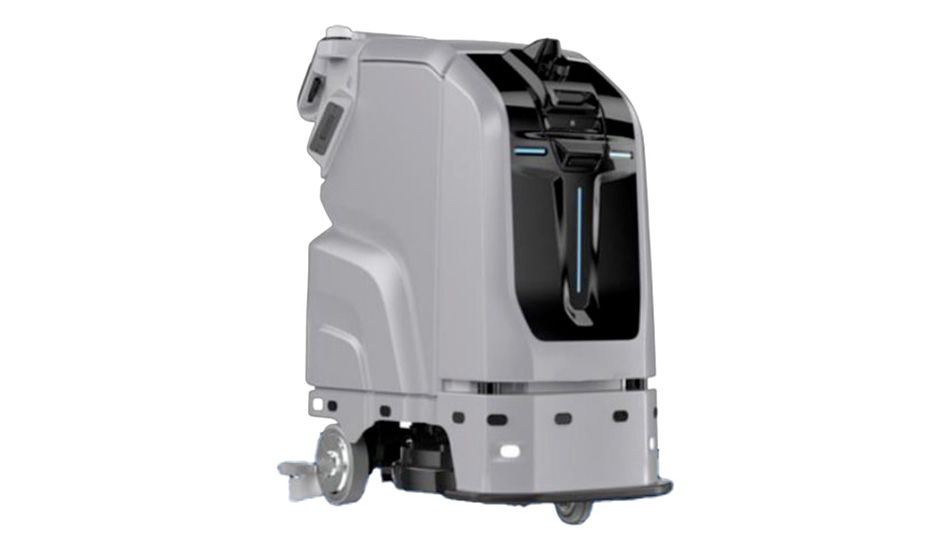
Pros of Combination Machines:
Cons of Combination Machines:
Head-to-Head Comparison: Which Performs Better?
When comparing cleaning speed, a standalone setup requires approximately 45 minutes per 1,000 m² (sweep then scrub), while a combination machine completes the same area in 20–25 minutes in a single pass. Standalone setups typically need 1–2 operators and two machine bays for storage, whereas a combination machine requires only one operator and one bay. On total cost of ownership over three years, standalone systems tend to have higher labor costs and double the maintenance overhead, while combination machines deliver lower labor costs and single-machine maintenance.
When Should You Choose Standalone Machines?
Standalone setups are still the better choice in these scenarios:
When Should You Invest in a Combination Machine?
Combination sweepers and scrubbers deliver the best value in these situations:
JIECHI's All-in-One Solutions
At JIECHI, we offer a full range of combination machines designed for different facility sizes and debris loads:
For facilities that prefer standalone machines, JIECHI's complete lineup of commercial floor scrubbers and industrial floor sweepers provides reliable, specialized cleaning power for any application.
Final Verdict: Are All-in-One Sweeper-Scrubbers Worth It?
For most medium-sized industrial and commercial facilities, the answer is yes — combination machines deliver a compelling return on investment through labor savings, reduced cleaning time, and simplified operations. The higher upfront cost is typically recovered within 12–18 months through reduced labor expenses.
However, facilities with very heavy debris loads or extremely large floor areas may still benefit from the specialization and redundancy of separate machines. Evaluate your specific debris types, floor size, and labor costs to make the right decision.
Need help choosing between standalone and combination machines for your facility? Contact JIECHI's cleaning experts today for a free consultation and equipment recommendation.

 Phone:+1 2403149021
 Email:kliu@jiechi.com

leave a message
Scan To Wechat :

Scan To WhatsApp :

 English


